



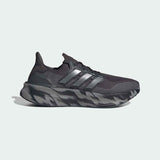

But running shoes have a working life. Long before the upper looks completely worn out, the cushioning, grip, and structure underneath may begin to lose their effectiveness. Knowing when to replace running shoes can help you maintain comfort, confidence, and consistency with every stride.
How Long Do Running Shoes Last?
As a general guide, performance running shoes typically last between 500 and 800 kilometres. This is not a strict expiry date. Some pairs may need replacing sooner, while others remain comfortable toward the upper end of that range.
How long running shoes last depends on several factors:
-
How frequently you run
-
The surfaces you run on
-
Your running style and foot strike
-
Your body weight
-
The construction of the shoe
-
Whether you also wear the shoes for walking, travel, or everyday activities
Mileage is a useful starting point, but your shoes—and the way they feel—will usually give you the clearest answer.
Signs You Need New Running Shoes
The Cushioning Feels Flat
A new running shoe often feels responsive underfoot. Over time, repeated impact compresses the foam in the midsole, reducing its ability to spring back as effectively.
If a familiar route suddenly feels harsher, or your shoes no longer offer the softness and energy return you remember, the cushioning may be reaching the end of its useful life.
Compare the shoes with a newer pair if possible. A noticeable difference in bounce, softness, or support can make the change easier to recognise.
The Outsole Has Worn Smooth
Turn the shoes over and examine the tread. The outsole is responsible for creating traction between your feet and the ground. As the rubber wears away, certain areas may appear smoother than others.
Some uneven wear is normal because every runner lands differently. However, large smooth patches, exposed midsole foam, or significantly worn edges can affect grip and stability.
This is particularly important if you run on wet roads, uneven pavements, or other surfaces where dependable traction matters.
The Midsole Is Heavily Creased or Uneven
Creasing along the foam is a natural part of wearing running shoes. Deep compression lines, visible deformation, or a midsole that feels noticeably firmer on one side can indicate more advanced wear.
Place both shoes on a flat surface and view them from behind. If either shoe leans noticeably to one side or no longer sits evenly, its structure may have broken down.
The Heel No Longer Feels Secure
The heel counter helps hold the back of your foot in place. With regular use, this structure can soften or lose its original shape.
If your heel has started slipping, the back of the shoe collapses easily, or your foot moves more than it used to, the shoe may no longer provide the same secure fit.
A worn interior heel lining is another sign to watch. Fraying or holes can create friction and make an otherwise familiar pair uncomfortable.
The Upper Is Torn or Stretched
A small cosmetic mark is rarely a reason to retire a shoe. Tears around the toe box, split seams, stretched mesh, or damage around the laces are more significant.
Once the upper loses its structure, it may no longer hold the foot securely during movement. This can be especially noticeable while turning, running downhill, or changing pace.
Your Runs Feel Different
Not every warning sign is visible. Sometimes your body notices the change before you do.
New soreness, unusual fatigue, or discomfort after an otherwise familiar run may be a reason to inspect your shoes. Worn footwear is not the only possible cause, so persistent or recurring pain should not be ignored. Consider reducing your training load and consulting an appropriate healthcare professional if discomfort continues.
Do You Need to Replace Shoes After a Certain Number of Months?
Time alone does not determine the lifespan of running shoes. A runner covering 30 kilometres each week will reach the typical replacement range much sooner than someone running five kilometres weekly.
Your shoes may also accumulate wear outside recorded runs. Wearing the same pair for commuting, errands, travel, or long days on your feet continues to compress the cushioning.
Instead of relying only on the purchase date, consider three things together:
-
Total distance covered
-
Visible wear
-
Changes in comfort and performance
This gives you a more reliable indication of when a replacement is due.
What Makes Running Shoes Wear Out Faster?
Running Surface
Rough roads and abrasive pavements can wear down outsole rubber faster. Trails introduce rocks, mud, and uneven ground, which place different demands on the upper and tread.
Choosing shoes designed for your usual running surface can improve both performance and durability.
Running Style
Where and how your foot lands affects the wear pattern. Some runners place more pressure on the heel, while others wear down the forefoot or outer edge first.
These patterns are not automatically a problem. A sudden change or extreme imbalance, however, may be worth discussing with a running specialist.
Using One Pair for Everything
Running shoes often become everyday favourites because they are light and comfortable. However, using the same pair for running, walking, work, and travel means the materials rarely get a break.
Keeping separate pairs for running and casual wear makes it easier to track mileage and preserve the performance qualities of your running shoes.
Poor Care and Storage
Heat, dampness, and harsh cleaning methods can affect footwear materials. Avoid leaving running shoes in direct sunlight or inside a hot car for extended periods.
After a wet run, remove the insoles if possible and let the shoes dry naturally in a ventilated area. Avoid placing them directly against a heater or using a tumble dryer.
How to Make Running Shoes Last Longer
Running shoes will eventually need replacing, but considered care can help prevent unnecessary damage.
Rotate Between Two Pairs
If you run frequently, alternating between two pairs gives each one time to dry and recover between sessions. A rotation also allows you to choose different shoes for easy runs, faster sessions, or longer distances.
Use Them for Their Intended Purpose
Running shoes are built primarily for forward movement. Strength training, court sports, and activities involving frequent lateral movement place different stresses on the sole and upper.
Choosing activity-specific footwear helps preserve your running shoes while providing more suitable support for each workout.
Clean Them Gently
Remove surface dirt with a soft brush or damp cloth. For a more thorough clean, use mild soap and cool water, following the care guidance provided by the manufacturer.
Machine washing may damage adhesives, foam, or the shoe’s structure, so hand cleaning is generally the more considered approach.
Track Your Distance
A running app or a simple note on your phone can help you record how many kilometres a pair has covered. If you rotate several pairs, label each one in your app so the mileage remains accurate.
Should You Keep Running in Worn-Out Shoes?
A shoe does not become unusable the moment it reaches a particular distance. At the same time, visible damage, reduced grip, compressed cushioning, or a loss of stability should not be overlooked simply because the upper still looks presentable.
Once a pair no longer feels dependable for running, it may still have a second life for light, non-athletic use—provided it remains comfortable and structurally sound. Avoid using noticeably unstable or damaged shoes for long walks or workouts.
How to Choose Your Next Pair
When replacing running shoes, begin with what worked well in your previous pair. Consider the fit, cushioning level, weight, and support you enjoyed, along with anything you would like to change.
Ask yourself:
-
Where do I run most often?
-
What distances do I usually cover?
-
Do I prefer soft cushioning or a firmer, more responsive feel?
-
Does my foot feel secure without pressure or restriction?
-
Will these shoes be used only for running?
The right pair should feel comfortable from the beginning. Your heel should remain secure, while your toes should have enough room to move naturally.
Explore footwear for men and footwear for women at MetroActiv, with running options from brands including Adidas, ASICS, PUMA, Skechers, New Balance, and FILA.
Final Takeaway
Most performance running shoes last approximately 500 to 800 kilometres, but mileage should never be the only measure. Pay attention to worn tread, compressed cushioning, changes in fit, structural damage, and how the shoes feel during and after a run.
Your running shoes do not need to look completely worn out before they are ready to be replaced. When comfort, grip, or support begins to change, a new pair can help every stride feel more assured.
Frequently Asked Questions
How often should running shoes be replaced?
Performance running shoes generally need replacing after approximately 500 to 800 kilometres. The precise timing depends on your running frequency, surface, gait, shoe construction, and how the shoes feel.
Can running shoes last longer than 800 kilometres?
Some shoes may remain wearable beyond 800 kilometres, but visible condition is not the only consideration. Check whether the cushioning, grip, and structure still perform as expected.
How do I know if the cushioning is worn out?
The shoes may feel flatter, firmer, or less responsive than before. Deep midsole creasing, uneven compression, and increased impact underfoot can also indicate that the cushioning has deteriorated.
Should I replace both running shoes at the same time?
Yes. Even if one shoe shows more wear, both have covered the same distance. Replacing them together maintains consistent cushioning and support on both sides.
Can I use old running shoes for walking?
Possibly, if they remain comfortable, stable, and undamaged. Shoes with badly worn tread, collapsed cushioning, or structural imbalance should also be retired from long walks and regular everyday use.
Does rotating running shoes make them last longer?
Rotating two or more pairs spreads the mileage between them and allows each pair time to dry between runs. It may also help you reserve particular shoes for different types of training.
