
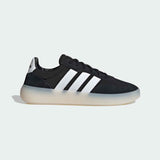
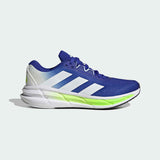
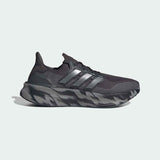

Non-marking shoes exist for one simple reason. Indoor courts need protection, and players need control. That’s often when people ask, “What are non-marking shoes?” Non-marking shoes refer to a specialised footwear made with a special rubber sole that does not leave scuff marks or streaks on indoor surfaces like wooden courts, synthetic flooring, or gym floors. They support quick changes in direction and stay comfortable through long play sessions. In short, they let players focus on the game instead of worrying about slipping or damaging the floor.
These shoes are commonly worn by athletes, trainees, and recreational players who train indoors. From better traction to reduced slipping, they offer practical benefits that matter during long sessions. The right non-marking shoes ensure clean floors, safer movement, and less distraction while playing.
Types of Non-Marking Shoes
Different indoor sports place different demands on footwear. Some common non-marking shoes for various sports are:
-
Non-Marking Shoes for Badminton
Badminton courts demand sharp footwork. Players move sideways, recover quickly, and change direction without warning. That’s why many ask what are non-marking shoes for badminton before buying a pair. These shoes for men and women are built to grip indoor courts without dragging or sliding. They stay light, responsive, and stable during fast rallies.
-
Non-Marking Shoes for Tennis
Indoor tennis places similar demands on footwear. The movements are wider and more forceful. Non-marking tennis shoes for women and men help players stay balanced while protecting the court surface from wear. This balance of grip and restraint is what makes them suitable indoors.
-
Non-Marking Shoes for Indoor Training
Non-marking court shoes for men and women are also common in indoor training environments. They work well for drills, agility work, and gym sessions where floors need protection. Their controlled grip makes them a safer option on polished or synthetic surfaces.
How to Identify Non-Marking Shoes
Spotting the right pair of non-marking court shoes for women and men becomes easy when you keep these few things in mind:
-
Check the Sole Label or Product Description
The easiest way to identify non-marking footwear is to read the product details. Brands usually mention this clearly because indoor facilities require it.
-
Look for Non-Marking Rubber Outsoles
Non-marking soles use rubber that doesn’t leave residue behind. They are often lighter in colour and slightly softer to the touch than standard outdoor soles.
-
Test the Sole on Indoor Surfaces
A simple test can help. Gently rub the sole on clean paper or a smooth floor. If no streak appears, the shoe is suitable for indoor use.
Final Thoughts on Non-Marking Shoes
Indoor sports are as much about control as they are about speed. The right sole protects both the player and the playing surface. So now that you know what does non-marking shoes mean, choosing non-marking shoes for training or competitive play is easy. MetroActiv offers a focused range of shoes for men and women designed for indoor courts, helping players move with confidence. Browse our collection now and get your hands on the right pair of shoes.
Frequently Asked Questions:
1. What does non-marking shoes mean?
Non-marking shoes are footwear designed with special rubber soles that do not leave scuff marks or streaks on indoor surfaces like wooden courts, synthetic flooring, or gym floors. They help maintain clean courts while providing reliable grip.
2. Why are non-marking shoes required for indoor courts?
Indoor courts often require non-marking shoes to prevent surface damage and maintain traction. Marking soles can leave visible streaks and reduce grip, which may affect safety and court maintenance.
3. How can I check if my shoes are non-marking?
You can check the product description or look for a “non-marking” label on the outsole. A simple paper or floor test can also help — if the sole leaves a streak, it is likely not non-marking.
4. Are non-marking shoes only for badminton?
No. Non-marking shoes are used across multiple indoor activities including badminton, squash, volleyball, indoor tennis, table tennis, and gym training where controlled grip and clean flooring matter.
5. Do non-marking shoes provide good grip?
Yes. Non-marking shoes are designed to offer controlled traction on smooth indoor surfaces, helping players move quickly, change direction easily, and reduce slipping during gameplay.
6. Can I wear non-marking shoes outdoors?
They can be worn outdoors occasionally, but regular outdoor use may wear down the softer rubber sole faster and reduce performance on indoor courts over time.
