


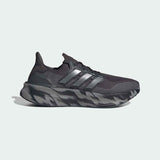

Footwear choices matter more than most players expect. One wrong pair can limit where you play, affect grip, or even damage the surface under your feet. That’s why the conversation around marking vs non-marking shoes keeps coming up, especially for indoor sports. Understanding this helps you choose footwear that suits both your game and the floor beneath you.
What Are Marking Shoes?
These are shoes built for tougher surfaces where floor marks don’t matter much.
-
Key Characteristics of Marking Shoes
Marking shoes for women and men focuses on grip and durability. They work well on outdoor courts, rough flooring, and areas where traction matters more than surface appearance.
-
Sole Material and Design
The soles usually use darker rubber compounds. This material grips hard ground effectively but can leave streaks on smooth indoor floors.
-
Drawbacks of Marking Shoes
The problem shows up indoors. On polished courts, these shoes can slip slightly and leave scuff marks, which is why many venues restrict them.
What Are Non-Marking Shoes?
Non-marking shoes are designed with indoor courts and controlled movement in mind.
-
Key Characteristics of Non-Marking Shoes
Non-marking shoes for men and women grip without leaving visible marks. That’s why sports halls and academies prefer them. This is where non-marking shoes vs marking shoes becomes a practical decision, not a style one.
-
Sole Material and Design
The outsole uses a lighter rubber blend that doesn’t transfer colour. It stays firm on smooth floors while keeping the surface clean.
-
Drawbacks of Non-Marking Shoes
They’re not built for rough outdoor use. Constant exposure to abrasive ground can wear the sole faster than expected.
How to Tell the Difference Between Marking and Non-Marking Shoes
A few simple points can tell the difference between marking shoes vs non-marking shoes.
-
Check the Sole Colour
Dark soles often indicate marking footwear. Lighter soles usually suggest indoor-friendly designs.
-
Try a Simple Paper or Floor Test
Rub the sole gently on white paper or a clean surface. If it leaves a streak, it’s not suitable indoors. This quick check explains non-marking vs marking shoes better than labels sometimes do.
-
Look for Non-Marking Labels or Product Details
Most brands clearly mention this feature. Product descriptions are worth reading before you buy.
Which Shoes Should You Choose?
The right choice of court shoes for men and women depends on where you play and how often.
-
Choosing Based on Sport and Playing Surface
Where you play should guide what you wear. Indoor courts usually require non-marking court shoes for women and men to protect smooth flooring, while outdoor games are more forgiving and allow marking soles. Understanding the difference between marking and non-marking keeps both your game and the surface in good shape.
-
Comfort, Durability, and Performance Factors
Comfort is about how your feet feel from start to finish. Durability depends on how well the shoe holds up with regular use. Performance comes down to grip and control, helping you move confidently without slipping or hesitation. Try the shoes well and then make a decision.
Final Verdict: Marking vs Non-Marking Shoes
The key to finding the right pair is matching your footwear to your playing surface. If you’re exploring indoor or court-ready options, MetroActiv offers a focused collection designed to support movement while respecting the court. Take a look and choose shoes that let you play without second thoughts.
Frequently Asked Questions:
1. How do I know if a shoe is non-marking before buying?
Check the outsole colour and read the product description carefully. Most brands clearly mention “non-marking” in the specifications. You can also do a simple paper or floor test — if the sole leaves a visible streak, it is likely a marking shoe and not suitable for indoor courts.
2. Can I wear marking shoes on indoor courts?
In most cases, no. Indoor courts such as badminton, squash, and volleyball facilities usually require non-marking shoes because marking soles can leave scuff marks and damage polished flooring.
3. Are non-marking shoes mandatory for badminton and squash?
Yes, most indoor badminton and squash courts require non-marking shoes. Wearing the correct footwear helps maintain court quality and ensures proper grip during quick movements.
4. Do non-marking shoes provide good grip?
Yes. Non-marking shoes are designed specifically for smooth indoor surfaces. They offer reliable traction, better control during lateral movement, and stability during sudden direction changes.
5. Can I use non-marking shoes outdoors?
You can use them occasionally outdoors, but it is not recommended for regular play. Rough surfaces like concrete can wear down the softer rubber sole faster and reduce the shoe’s lifespan.
6. Are marking shoes better for outdoor courts?
Yes. Marking shoes usually have harder rubber soles that perform well on rough outdoor surfaces. They provide durability and grip where surface appearance is not a concern.