



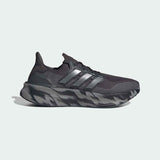

Shoes are often chosen in a rush. You grab a pair, lace up, and head out. But your body moves very differently when you walk compared to when you run, and your feet feel that change instantly. Walking depends on steady, balanced steps, while running demands impact absorption and forward movement. That is where the real difference between walking and running shoes comes in. Choosing the right pair is not just about comfort. It helps protect your feet, knees, and overall movement in the long run.
What are Running Shoes?
Running shoes for men and women are built for speed, impact, and repeated motion. Every step carries force.
-
Purpose and Design Focus
When you run, both feet leave the ground. The landing is harder, and the body absorbs more shock. Running shoes focus on cushioning and forward movement so your legs don’t take all the pressure with every stride.
-
Flexibility and Heel-to-Toe Movement
These shoes support a smooth roll from heel to toe. The sole bends where your foot naturally pushes off, helping you keep momentum without feeling stiff or slowed down.
What are Walking Shoes?
Walking shoes for women and men support steady steps and a longer time on your feet. The movement is grounded and consistent.
-
Key Characteristics of Walking Shoes
Walking shoes usually have a flatter base and firmer feel. Your foot stays closer to the ground, which helps with balance during longer walks or daily routines.
-
Sole Flexibility and Support
Flexibility sits closer to the front of the shoe. This supports a natural walking stride where one foot stays on the ground while the other moves forward.
-
Limitations of Walking Shoes for Running
Are walking shoes different from running shoes? Yes. Walking shoes are not meant for repeated impact. Wearing them for running may cause discomfort and strain on the joints. This is because they do not have the support needed for higher speeds.
Choosing Based on Activity Type
How you move should guide the selection between running vs walking shoes.
-
Casual Daily Use vs Structured Workouts
Walking shoes suit errands, travel, and long hours on your feet. Running shoes feel better during planned workouts where speed and consistency matter. This highlights the difference between running and walking shoes in everyday use.
-
Indoor Surfaces vs Outdoor Terrain
Smooth floors, pavements, and trails all feel different underfoot. Shoes designed for your main surface help reduce fatigue and improve control.
Which Shoes Should You Choose?
Now that you know the difference between walking shoes and running shoes, let us understand which shoes are ideal for you.
-
Weight and Fit Considerations
Running shoes often feel lighter. Walking shoes feel stable. Fit matters for both, whether you’re browsing for walking or running shoes.
-
Injury Prevention and Foot Support
Wearing the wrong shoe for the wrong activity can strain joints over time. Understanding the difference between running and walking shoes helps prevent that.
-
Durability Expectations
Running shoes wear faster due to impact. Walking shoes last longer with steady use. That’s another difference between running and walking shoes worth noting.
Final Verdict: Running Shoes vs Walking Shoes
So what is the difference between walking and running shoes? Running shoes support speed and impact. Walking shoes provide support for stability and time spent on your feet. If you are still in doubt, MetroActiv provides carefully designed options for both activities. Browse through the offerings and select shoes that suit your pace, lifestyle, and preferred way of moving.
Frequently Asked Questions:
1. Can I use running shoes for walking every day?
Yes, running shoes can be used for walking because they offer cushioning and flexibility. However, they may feel softer and less stable for long hours of casual walking compared to dedicated walking shoes.
2. Is it okay to run in walking shoes occasionally?
Occasional short runs may feel manageable, but walking shoes are not designed for repeated impact. Regular running in walking shoes can lead to discomfort, reduced support, and potential strain on joints.
3. What is the main difference between running and walking shoes?
Running shoes focus on impact absorption, responsiveness, and forward propulsion, while walking shoes prioritise stability, balance, and comfort for steady movement over longer durations.
4. Are running shoes lighter than walking shoes?
Running shoes are usually lighter to support speed and smoother transitions. Walking shoes may feel slightly heavier due to their structured design and stability-focused build.
5. Which shoes are better for long hours on your feet?
Walking shoes are typically better for extended standing and daily movement. Their stable base and supportive design help reduce foot fatigue during prolonged wear.
6. Do walking shoes last longer than running shoes?
Yes, walking shoes often last longer because walking creates less impact compared to running. Running shoes experience faster cushioning breakdown due to repetitive force during each stride.
