



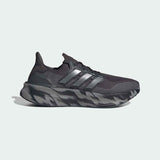

Shoes can look similar, but they behave very differently once you start moving. That’s where learning the difference between running and training shoes becomes important. One is built for forward motion and impact. The other supports side movement and balance. Choosing the right pair isn’t about trends. It’s about what your workout actually asks from your feet.
What are Running Shoes?
Running shoes are designed to absorb repeated impact, support forward motion, and protect joints during continuous running on varied surfaces.
-
Purpose and Design Focus
Running shoes for men and women support forward movement. They help your foot roll smoothly from landing to push-off. The design reduces stress during repeated impact, which matters over longer distances.
-
Cushioning and Shock Absorption
The main difference between running shoes and training shoes lies in cushioning and shock absorption. Running shoes use softer midsoles that absorb impact when your foot strikes the ground. This reduces stress on ankles, knees, and joints during runs on roads, tracks, or treadmills.
-
Best Activities for Running Shoes
They work best for jogging, long-distance running, and steady cardio sessions. Many runners choose running shoes for women and men based on fit and comfort, not looks.
What are Training Shoes?
Training shoes are built to support multi-directional movement, balance, and stability during strength training, agility drills, and mixed workouts.
-
Purpose and Design Focus
Training shoes for men and women support movement in more than one direction. Think squats, jumps, lunges, or quick pivots. The design keeps your feet grounded and controlled.
-
Support and Stability Features
These shoes focus on stability rather than bounce, making it a major difference between a running shoe and a training shoe. The sole feels firmer, helping with balance during strength work. That stability matters when weight shifts suddenly.
-
Best Activities for Training Shoes
They suit gym workouts, HIIT sessions, and cross-training routines. People often pick training shoes for women and men when workouts mix strength and cardio.
Key Differences Between Running and Training Shoes
Now, let us have a look at the important elements that create a difference between a training shoe and a running shoe:
-
Design and Sole Differences
Running shoes have curved soles for smooth forward motion. Training shoes have flatter soles to support balance and lateral movement.
-
Cushioning vs Stability
Running shoes prioritise cushioning. Training shoes prioritise control. Neither is better. They simply serve different purposes.
-
Activity-Specific Performance
Running shoes struggle during side-to-side movement. Training shoes feel heavy on long runs. That contrast highlights the difference between running and training shoes clearly.
How to Choose the Right Shoe for Your Workout
The right choice depends on how you train most days.
-
Identify Your Main Activity Type
If your workout revolves around running, choose running shoes. If your routine mixes lifting, jumping, and short cardio bursts, training shoes make more sense. This difference between running and training shoes makes the choice easier. At MetroActiv, you can find a range of options. Consider checking the designs and assessing a style as per your lifestyle.
-
Foot Type and Support Needs
Some feet need more cushioning. Others need structure. Comfort should feel natural, not forced, once you start moving.
-
Indoor vs Outdoor Considerations
Outdoor runs need grip and cushioning. Indoor workouts need stability and control. Matching shoes to space helps avoid discomfort later.
Final Verdict: Running Shoes vs Training Shoes
There’s no one-size answer. Running shoes support distance and impact. Training shoes support strength and movement variety. Understanding the difference between running and training shoes helps you train smarter and feel better afterwards.
Frequently Asked Questions:
1. Can I use running shoes for gym workouts?
Running shoes can work for light gym sessions and treadmill cardio, but they may feel unstable during strength training or lateral movements. Their soft cushioning is not ideal for exercises that require balance and grounded support.
2. Are training shoes suitable for running?
Training shoes can handle short runs or warm-ups, but they are not designed for long-distance running. The firmer sole and limited cushioning may cause discomfort during extended running sessions.
3. What is the biggest difference between running and training shoes?
The main difference lies in cushioning and stability. Running shoes prioritise shock absorption and forward motion, while training shoes focus on stability, balance, and multi-directional support.
4. Which shoes are better for HIIT workouts?
Training shoes are usually better for HIIT because they support quick direction changes, jumping, and strength-based movements without feeling unstable.
5. Do running shoes provide better cushioning than training shoes?
Yes. Running shoes typically have softer midsoles designed to absorb repeated impact, making them more comfortable for jogging, distance running, and treadmill workouts.
6. Are training shoes flatter than running shoes?
Yes. Training shoes generally have a flatter and wider base, which improves balance and control during weight training, squats, and agility drills.